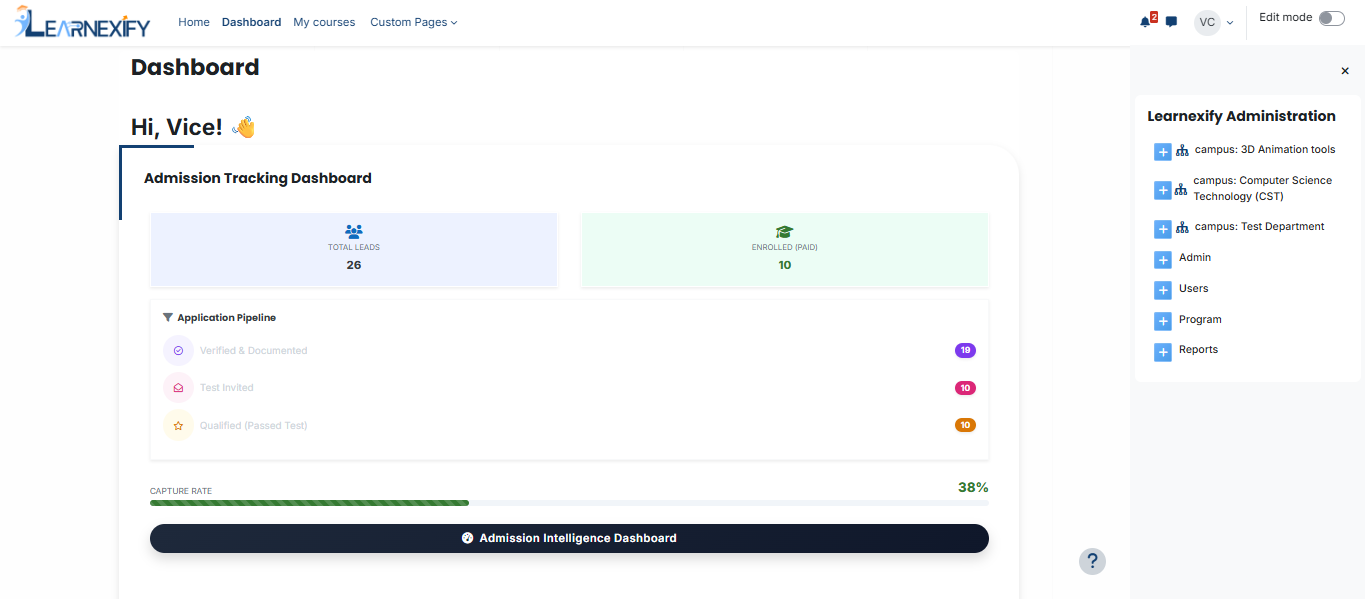
Vice Chancellor
CampusThe Vice Chancellor serves as the university’s Chief Executive, providing strategic leadership and oversight through site-wide performance dashboards and budgetary management. This role focuses on institutional growth and policy governance but remains strictly removed from micro-management tasks like marking attendance or grading quizzes. Unlike teachers or department heads, the VC does not create specific course materials or handle routine student admission queries. By prioritizing macro-level institutional health over daily classroom operations, the VC role maintains a clear and distinct strategic boundary.
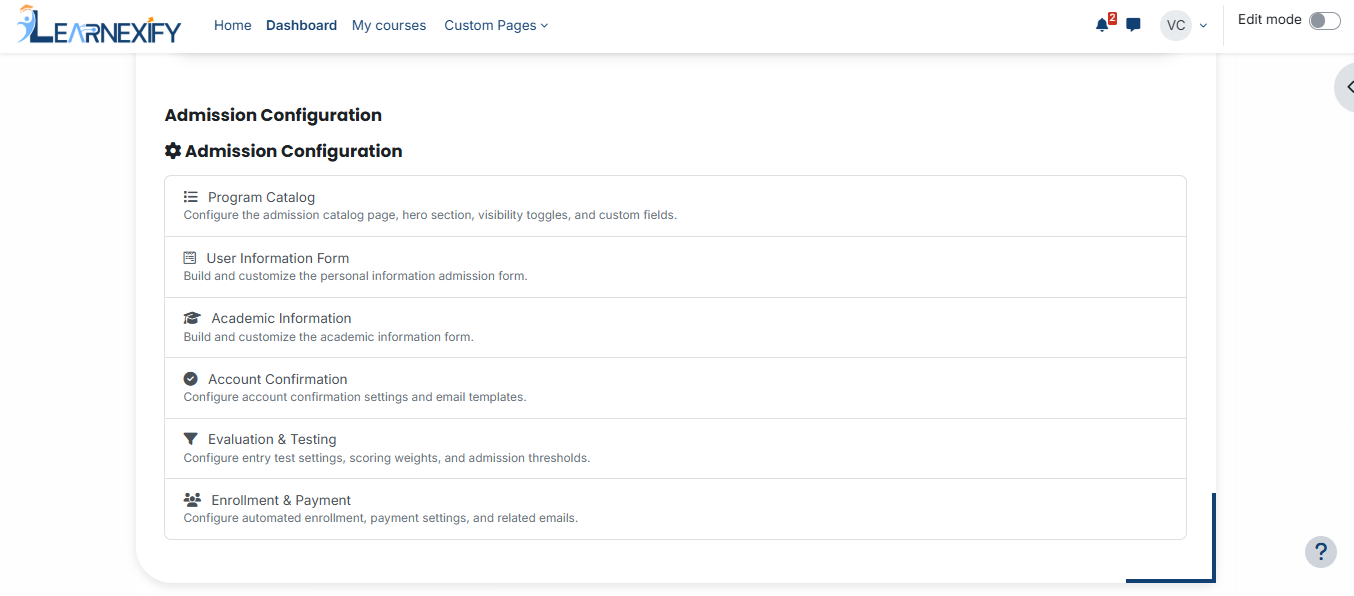
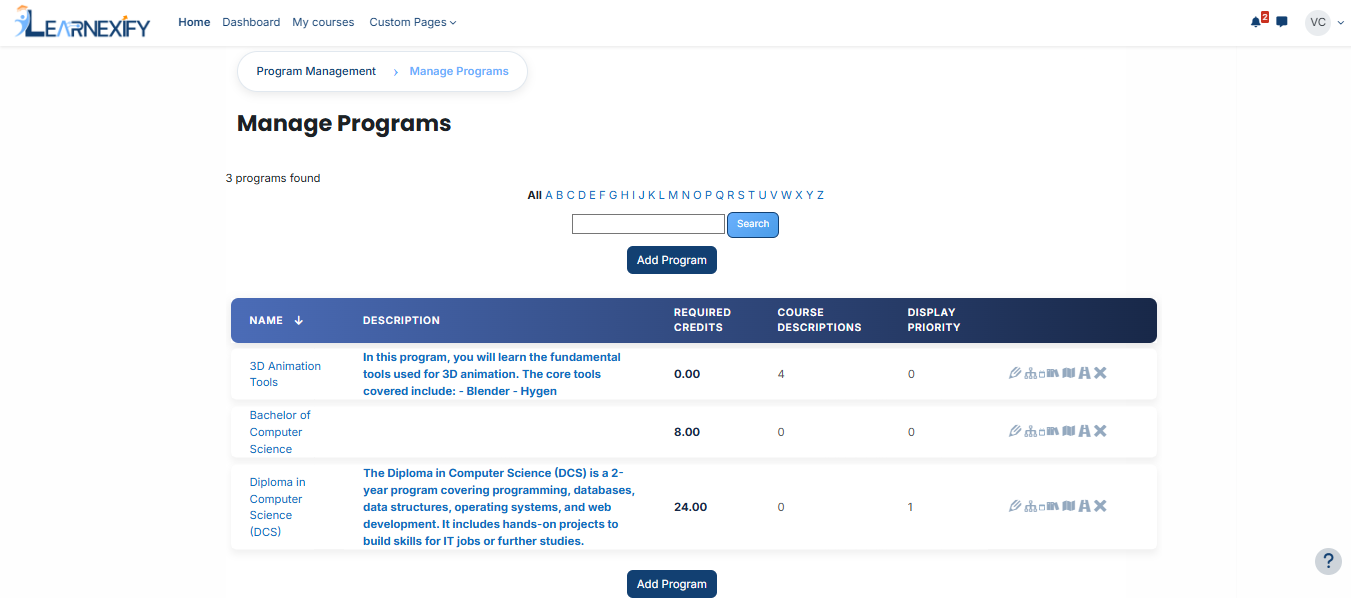
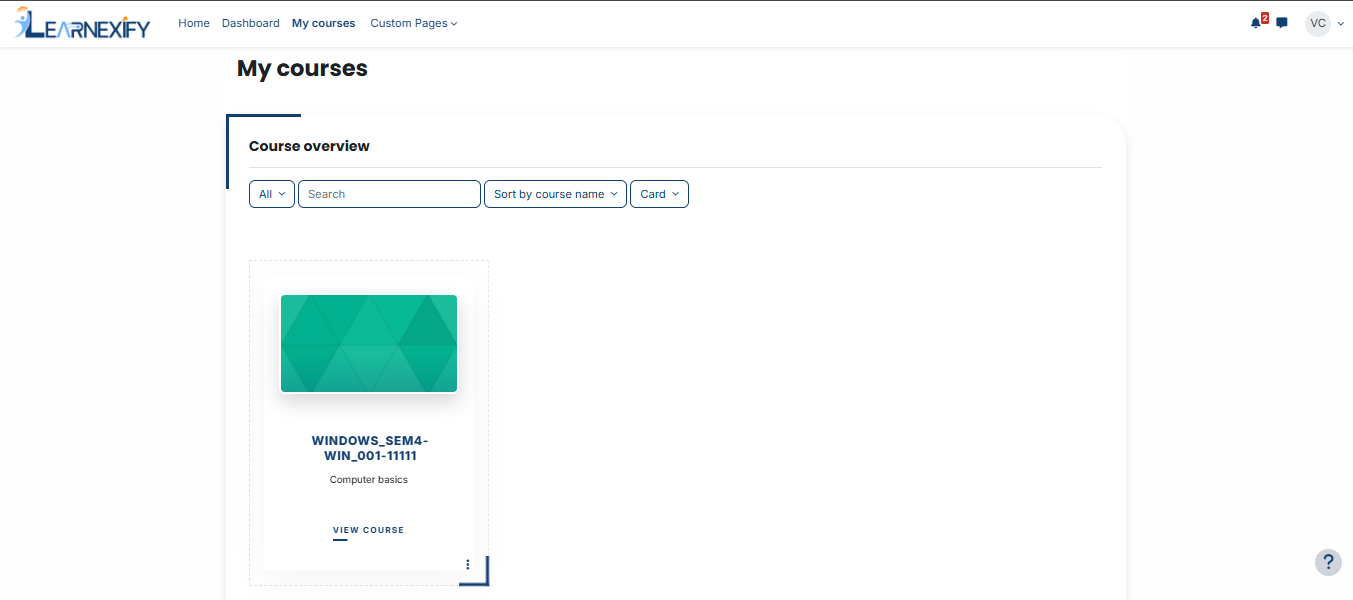
Head of Department
DepartmentThe Department Head (HOD) serves as the academic anchor and a vital bridge between the faculty and top administration, ensuring departmental excellence through hands-on leadership. This role oversees curriculum quality, distributes teaching workloads, and monitors instructor engagement while managing departmental budgets and physical resources like laboratories. Unlike the VC, the HOD’s authority is strictly restricted to their own department, meaning they cannot access cross-departmental data or modify global system configurations. While they propose departmental policies and represent their unit in meetings, they lack the power to override institutional mandates issued by the Vice Chancellor.
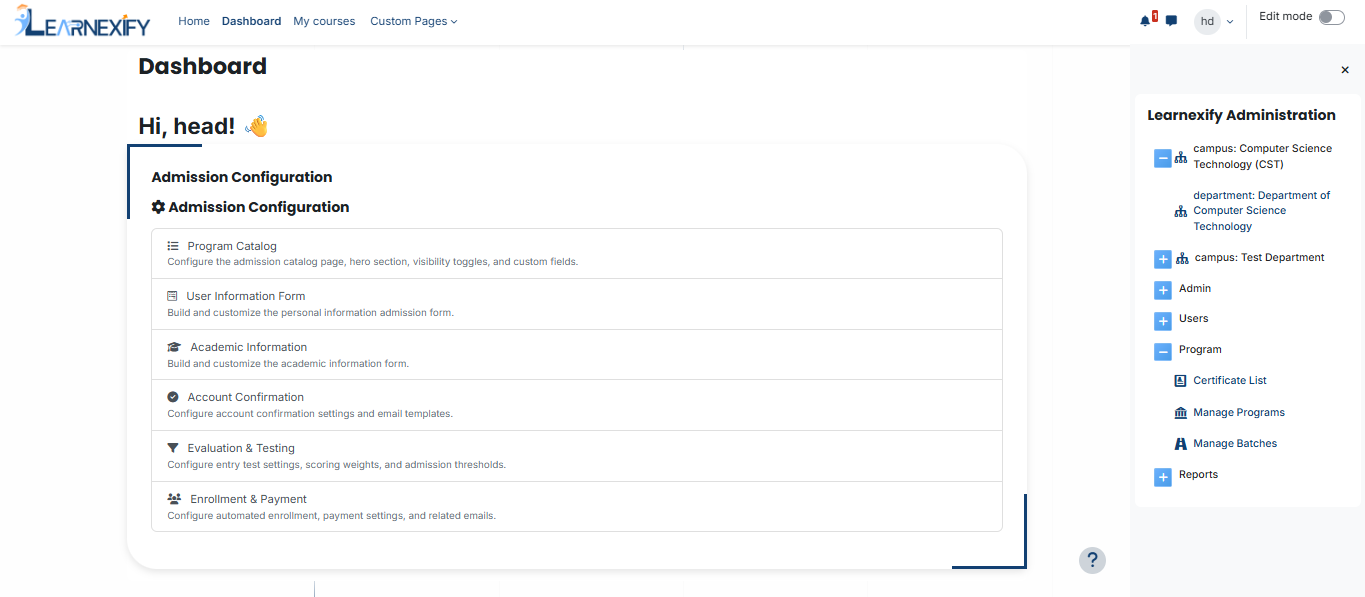
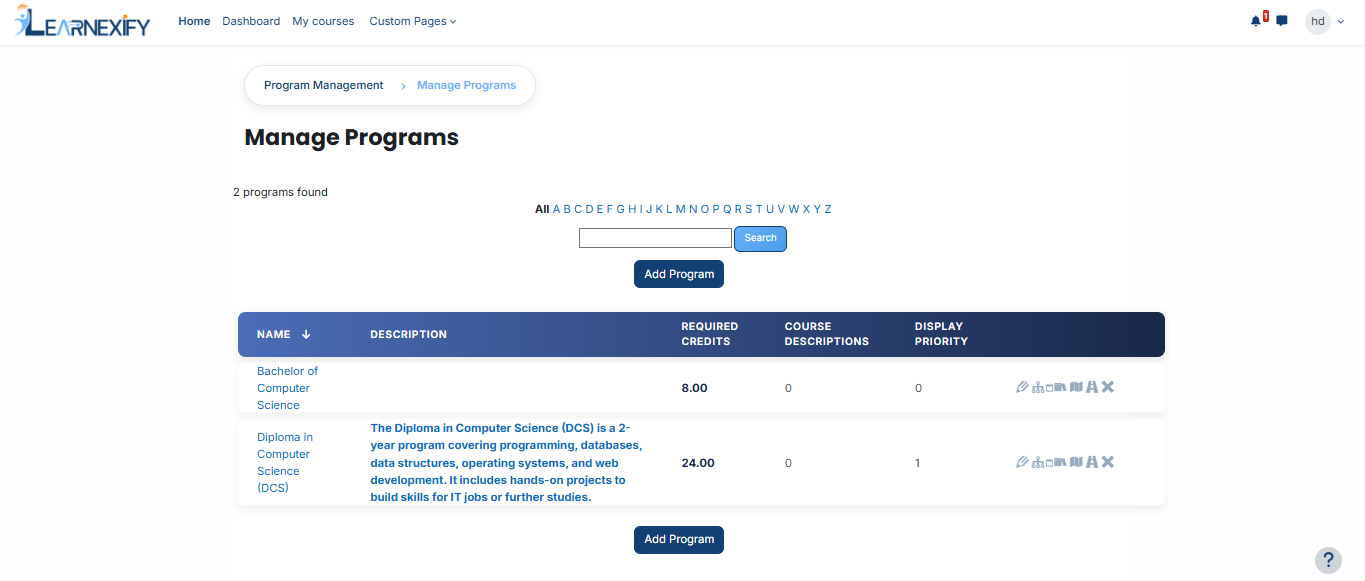
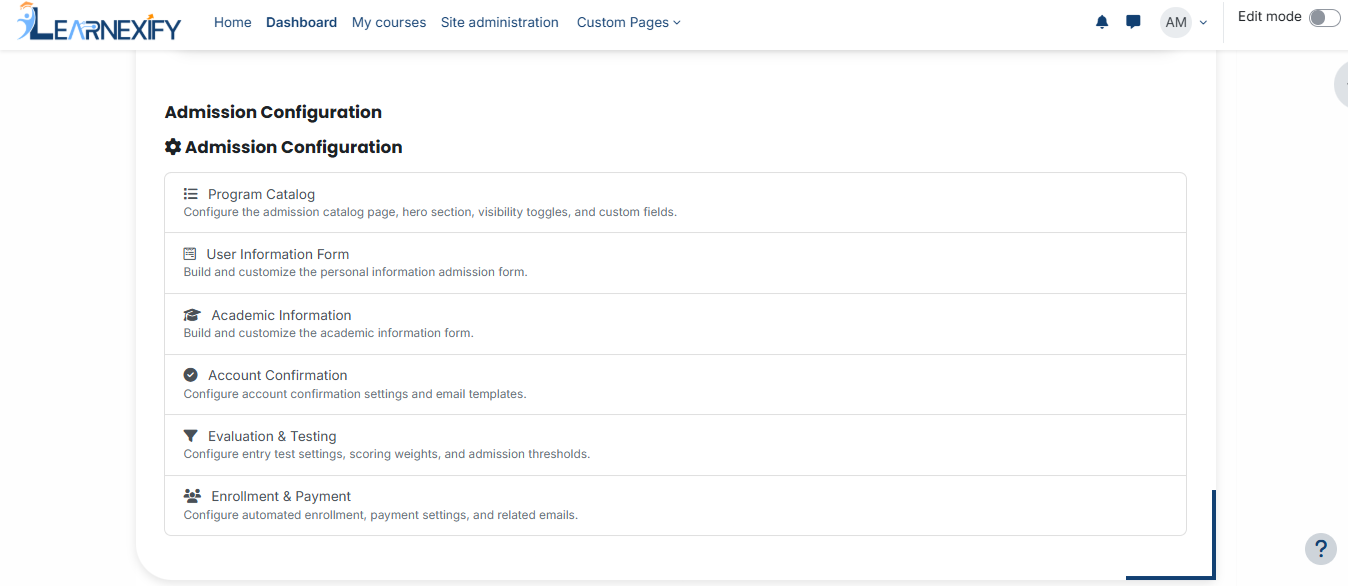
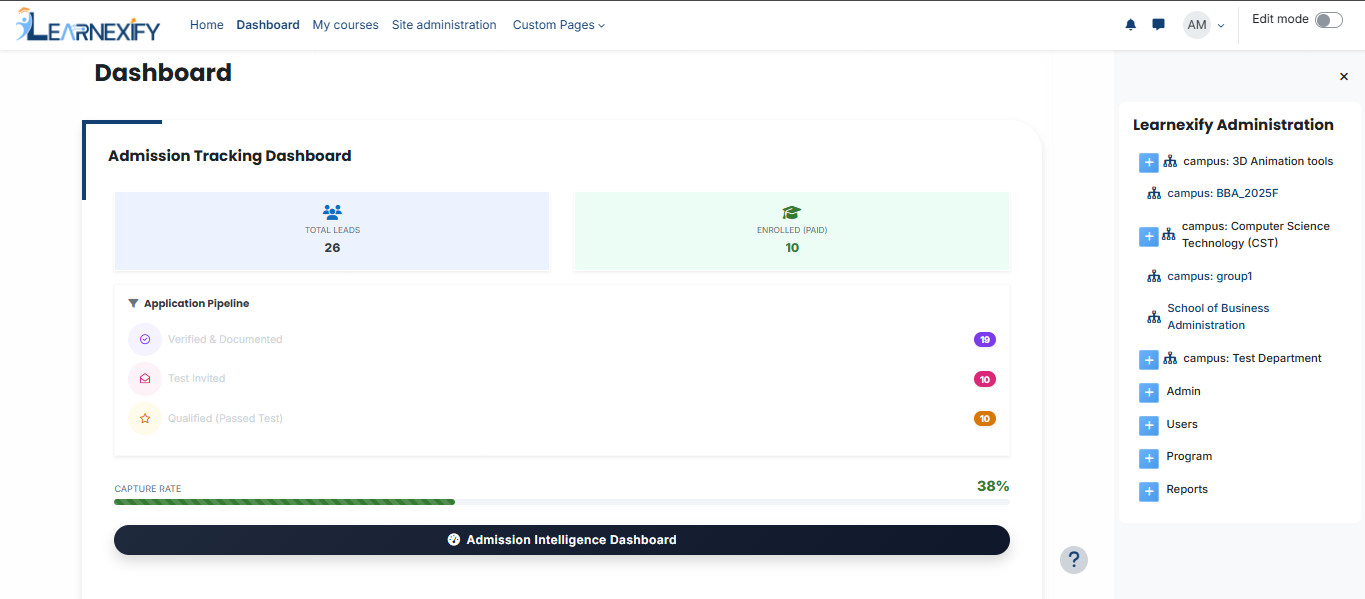
Admission Manager
AdmissionsThe Admission Manager oversees the entire student intake process, focusing on strategic recruitment and application management to shape the university’s student body. This role analyzes enrollment trends and supervises admissions staff but is strictly restricted from editing course content or assigning grades. Unlike the HOD or Teacher, the Admission Manager does not handle academic delivery or assessment results. Their authority is centralized on managing the university's administrative gateway rather than institutional policy or classroom-level operations.
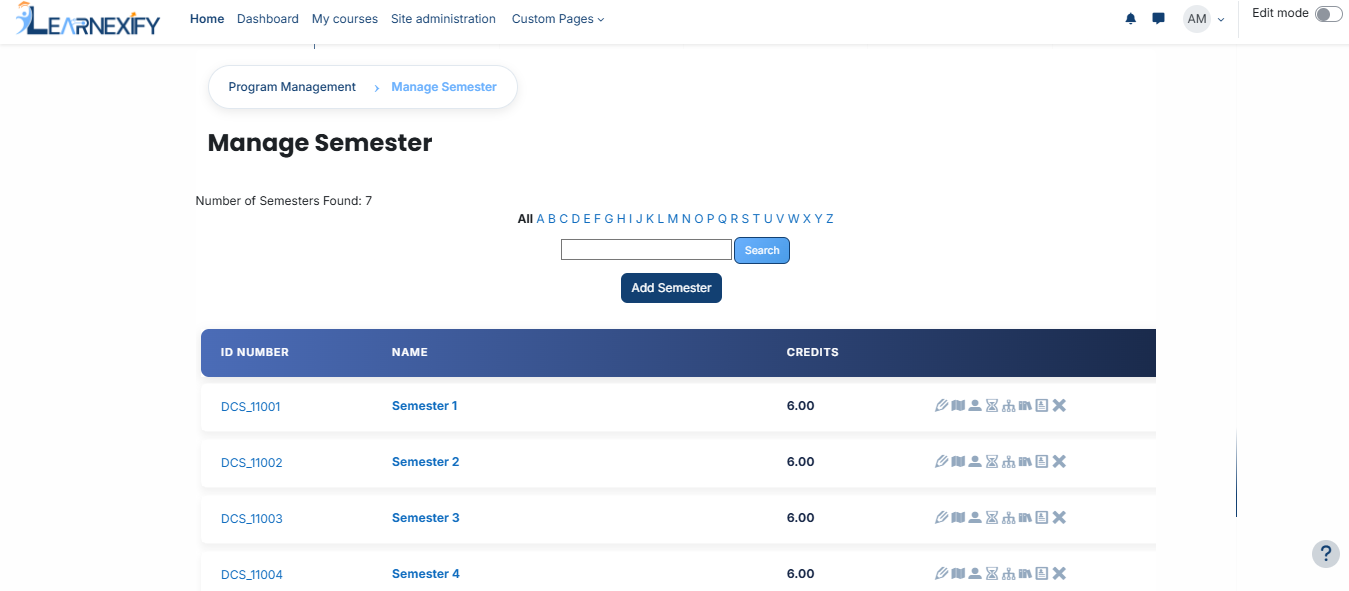
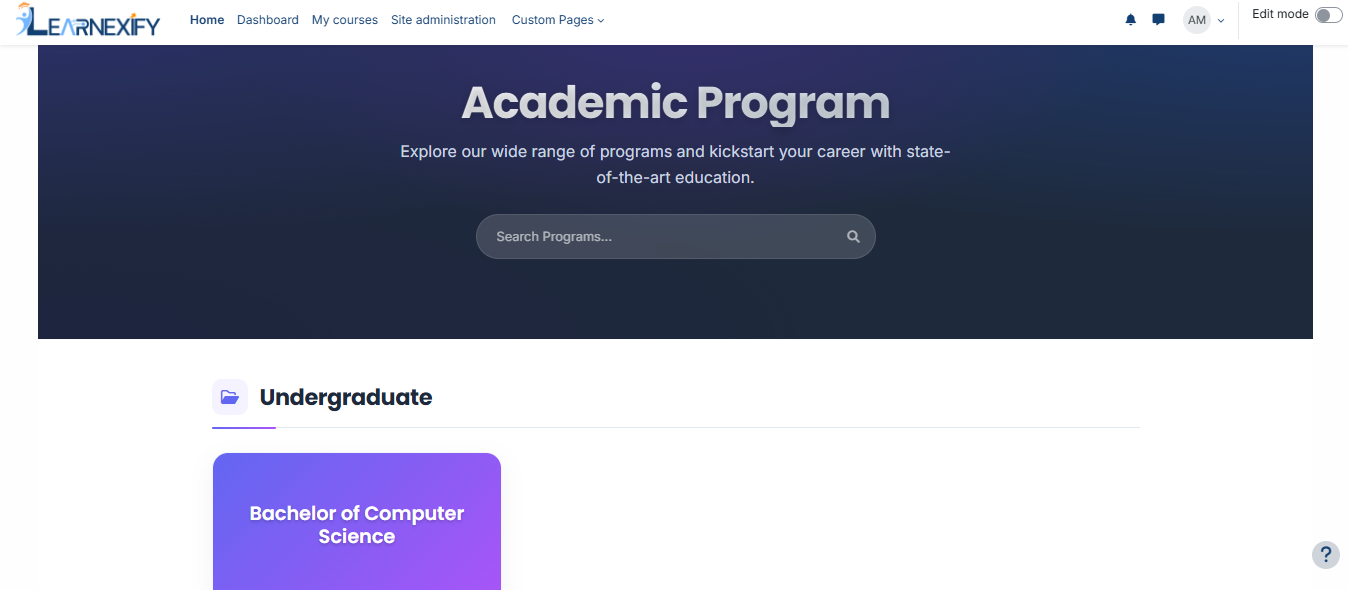
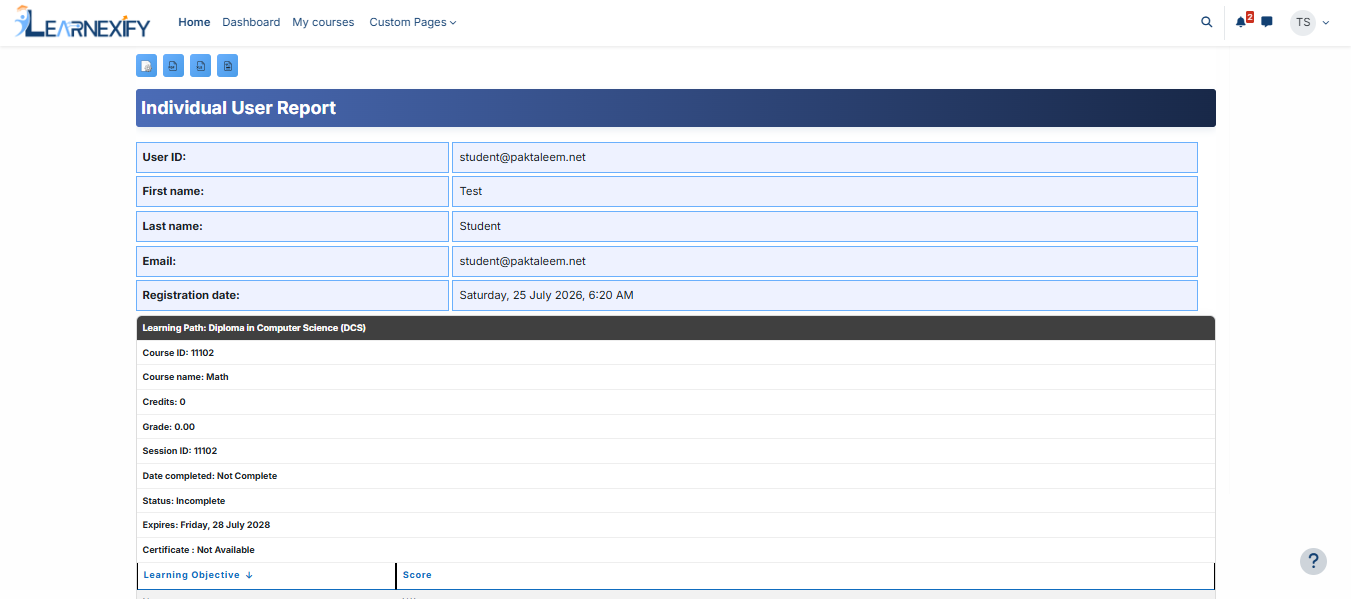
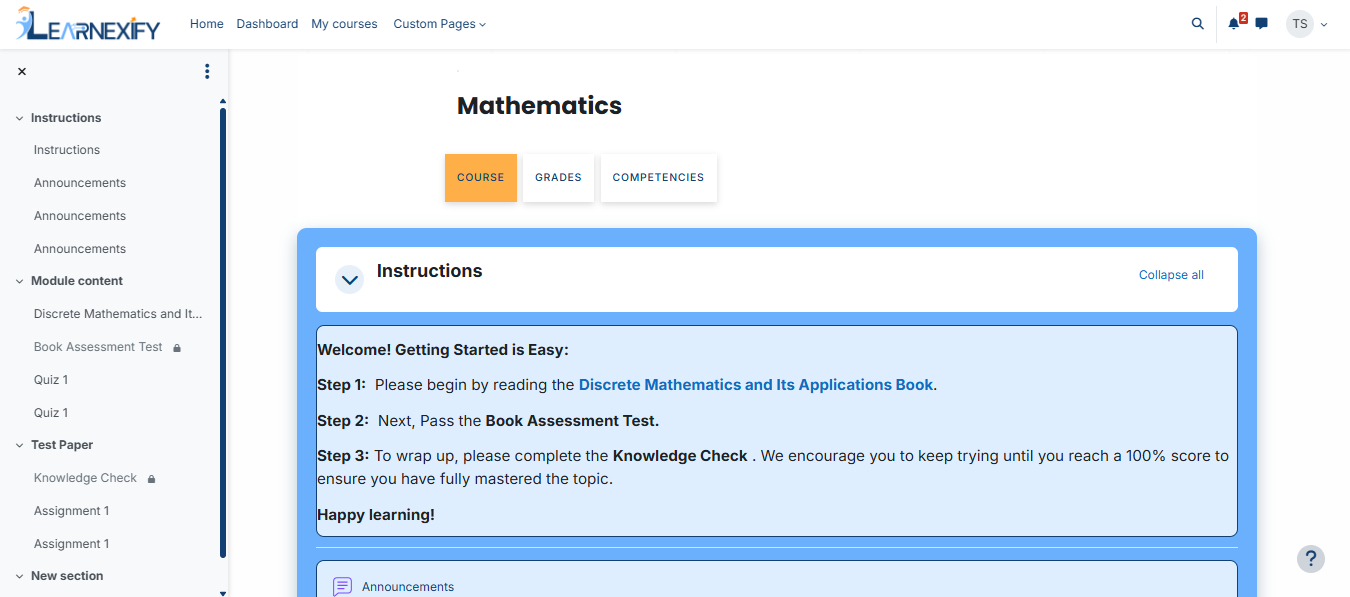
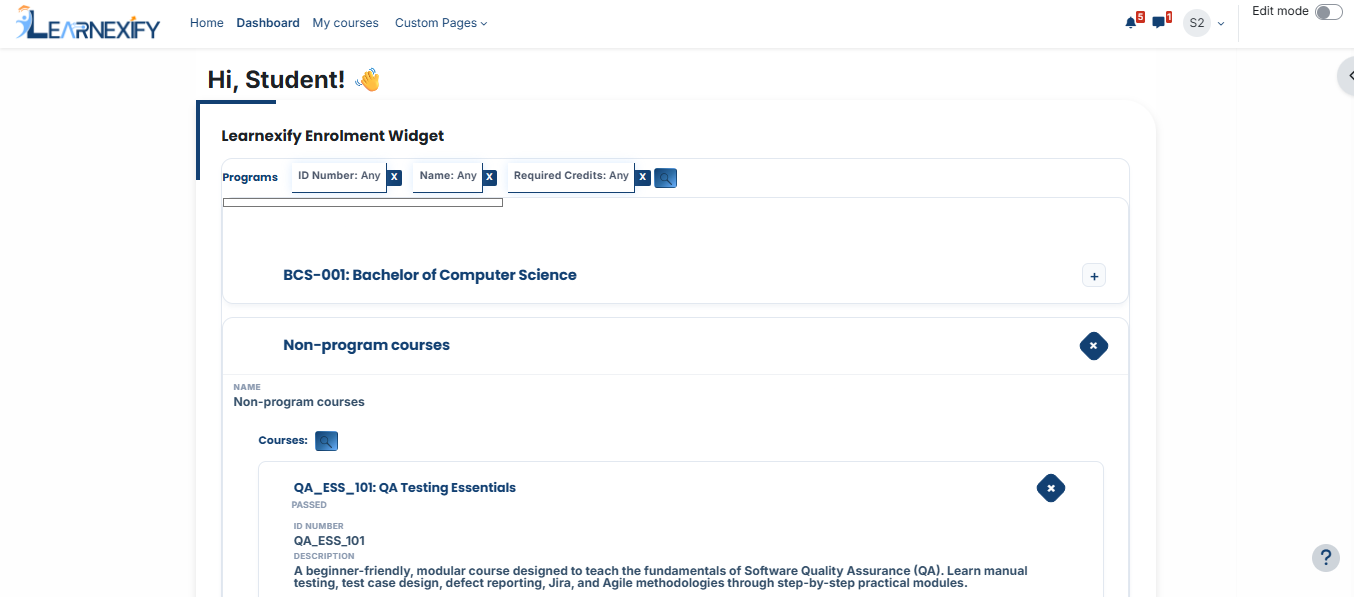
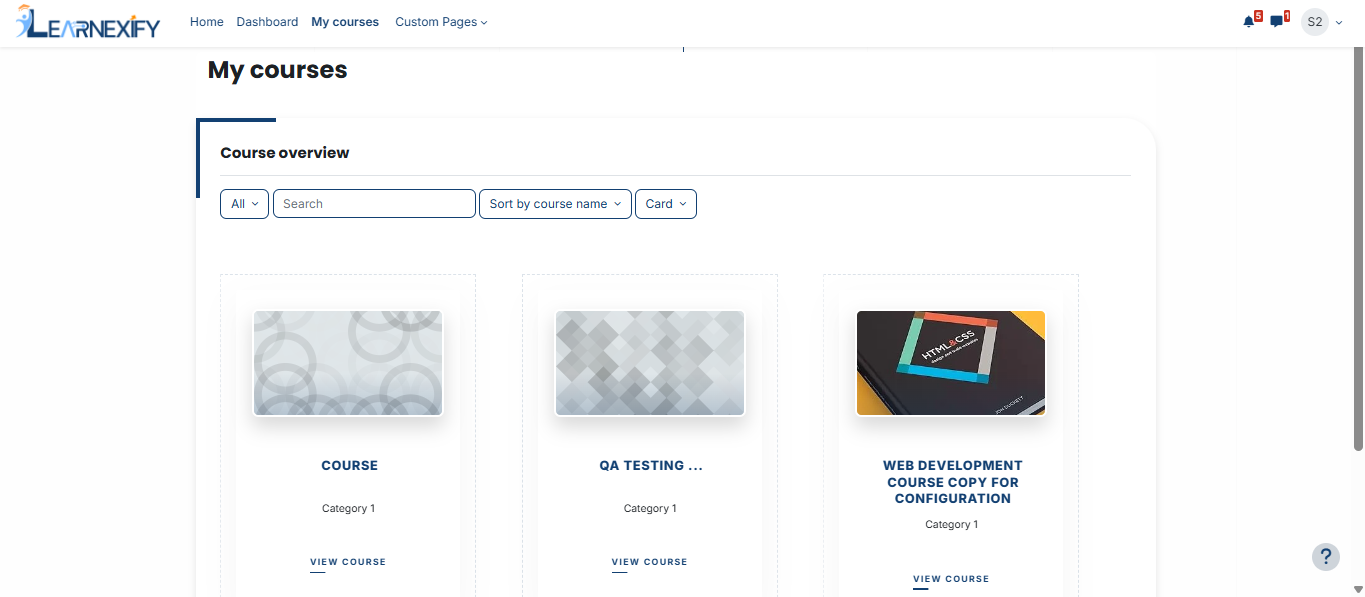
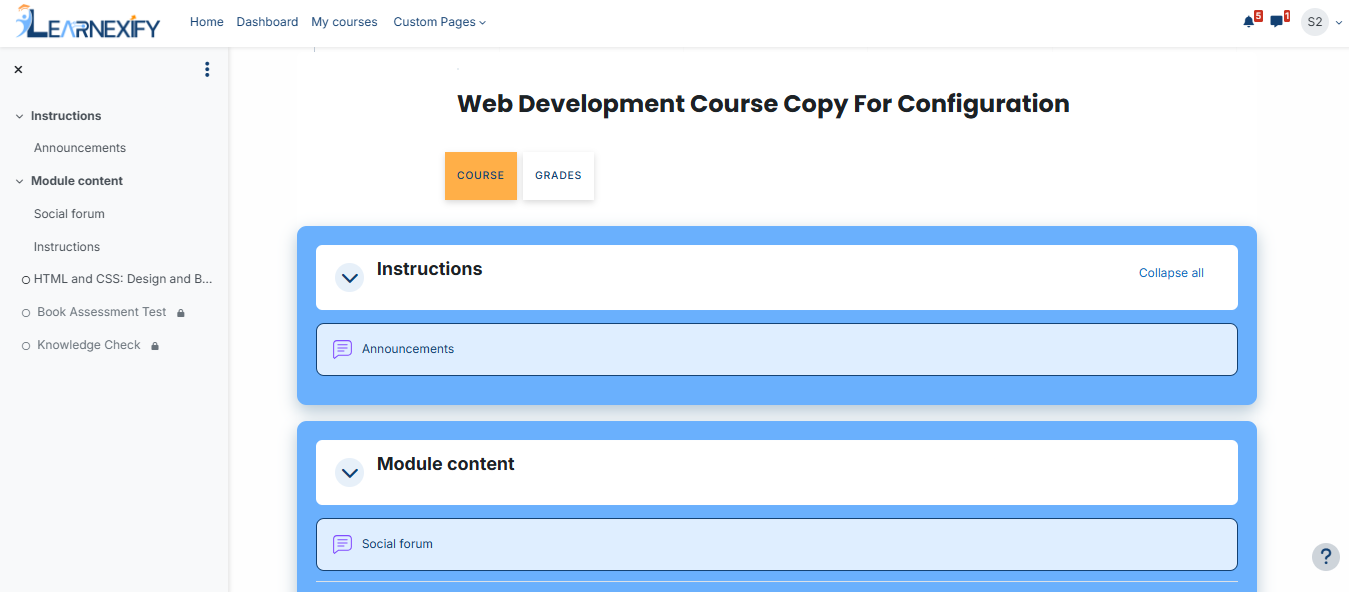
Student
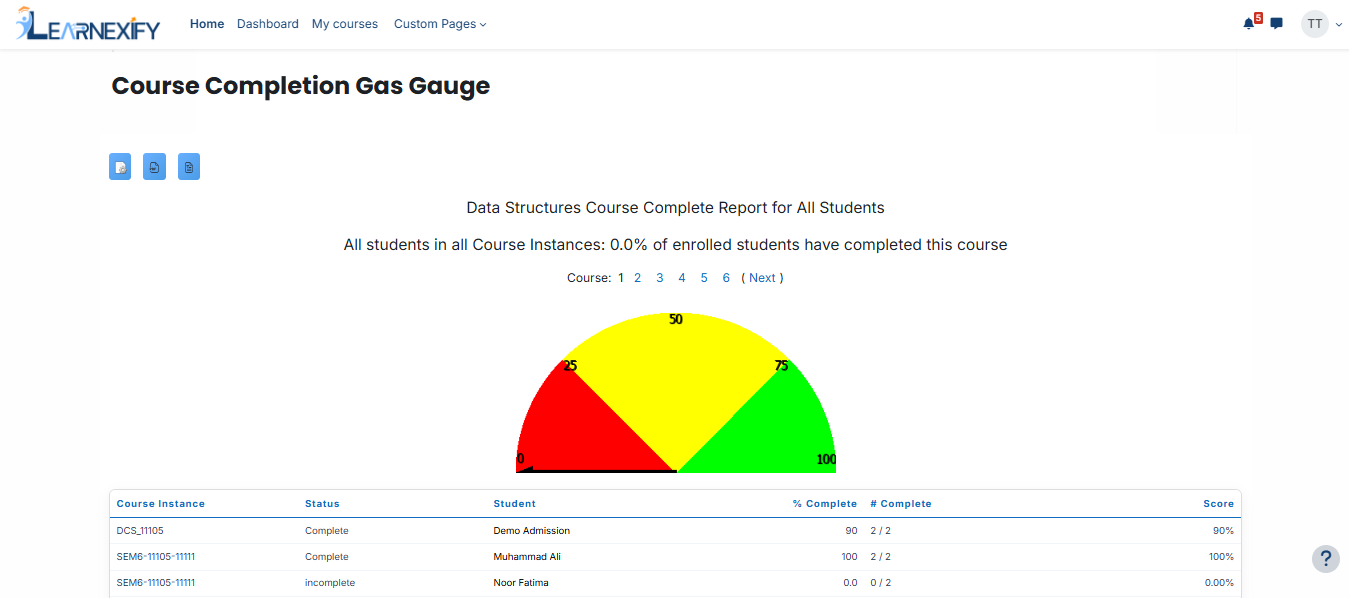
Course / ProgramThe Student role is designed for a personalized learning experience, allowing individuals to access course materials, submit assignments, and attempt quizzes through a focused interface. Unlike the Teacher or HOD, students cannot edit course content or view peer data, ensuring a private and secure learning environment. This role is centered on tracking personal progress and grades rather than managing institutional data or site configurations. By providing a distraction-free dashboard for educational achievement.
Teacher
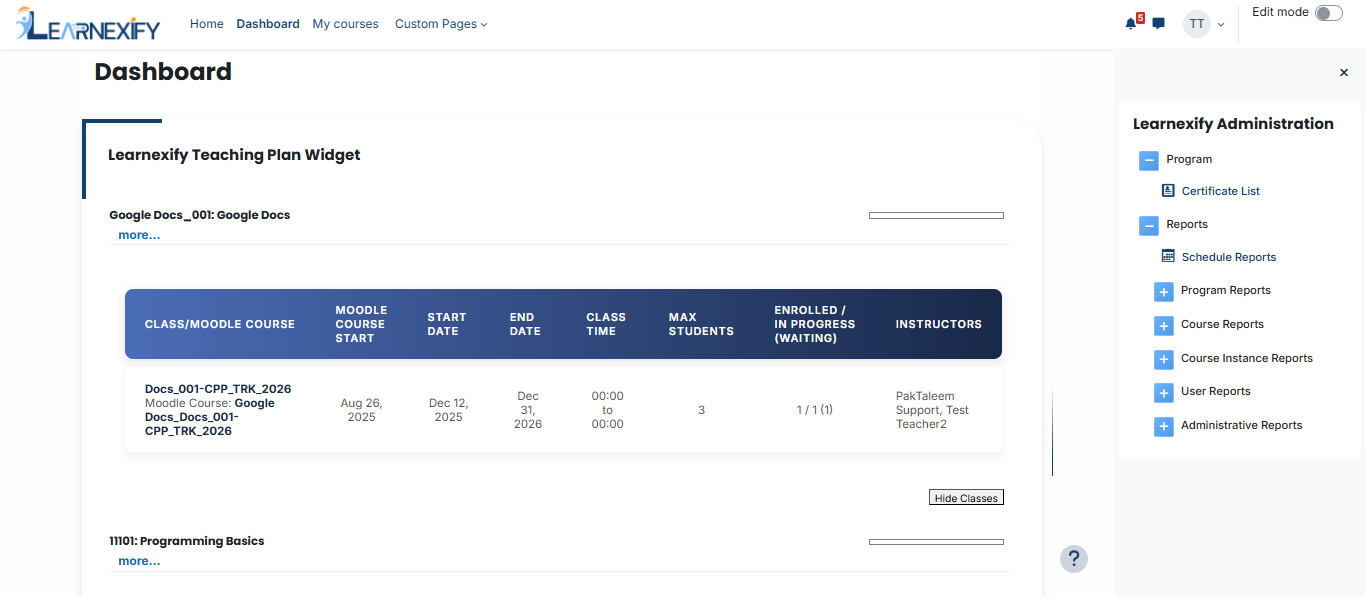
Course InstanceThe Teacher role manages the digital classroom by designing course content, uploading lectures, and conducting student assessments through quizzes and assignments. This role focuses on tracking individual progress and providing direct feedback but is strictly restricted from global site settings or admission records. Unlike the HOD or VC, teachers cannot access data outside their assigned courses or manage department-wide budgets. By centering on instructional delivery and student engagement, the Teacher role maintains a clear boundary from institutional leadership and administrative operations.
Corporate Administrator
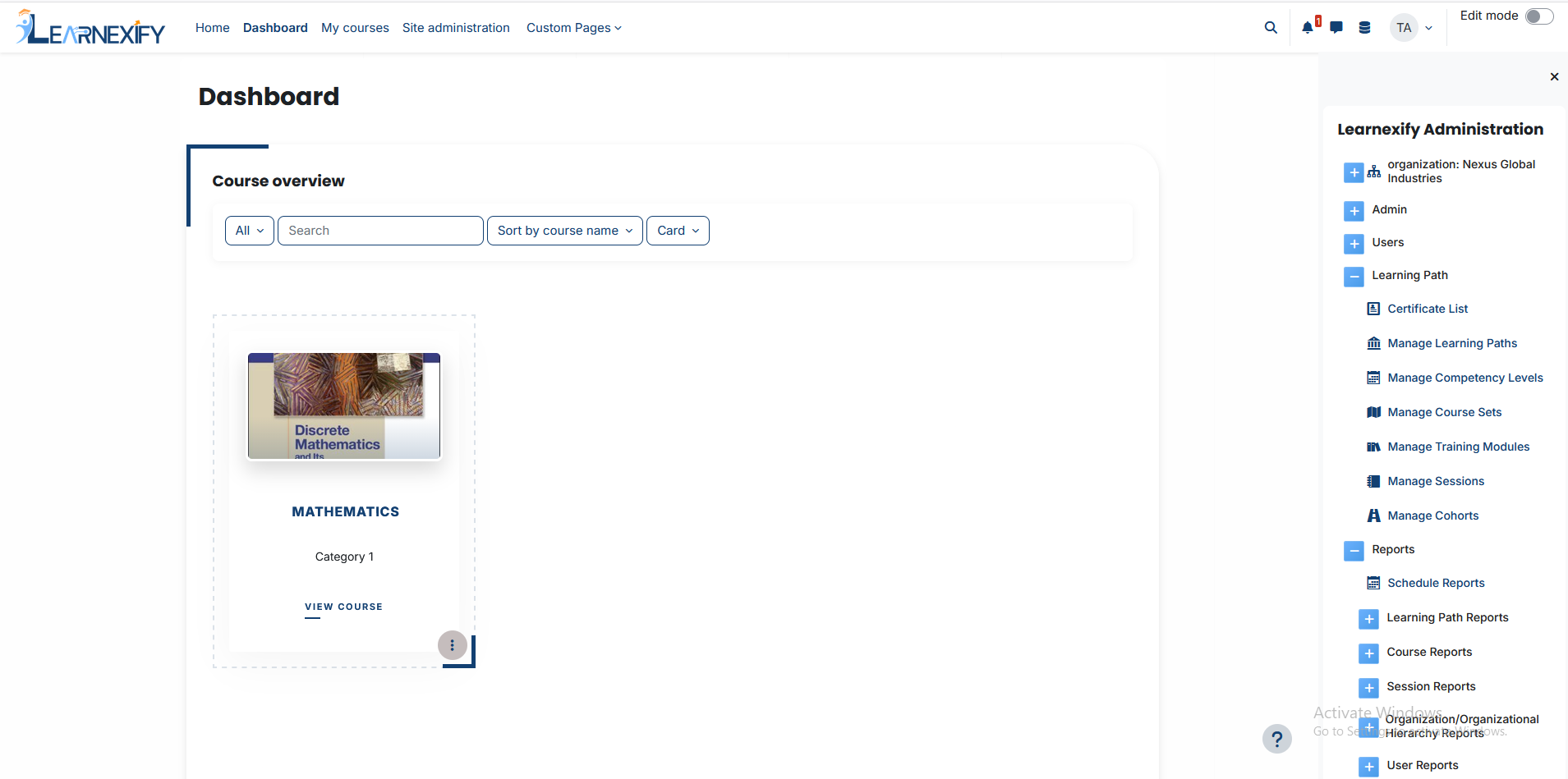
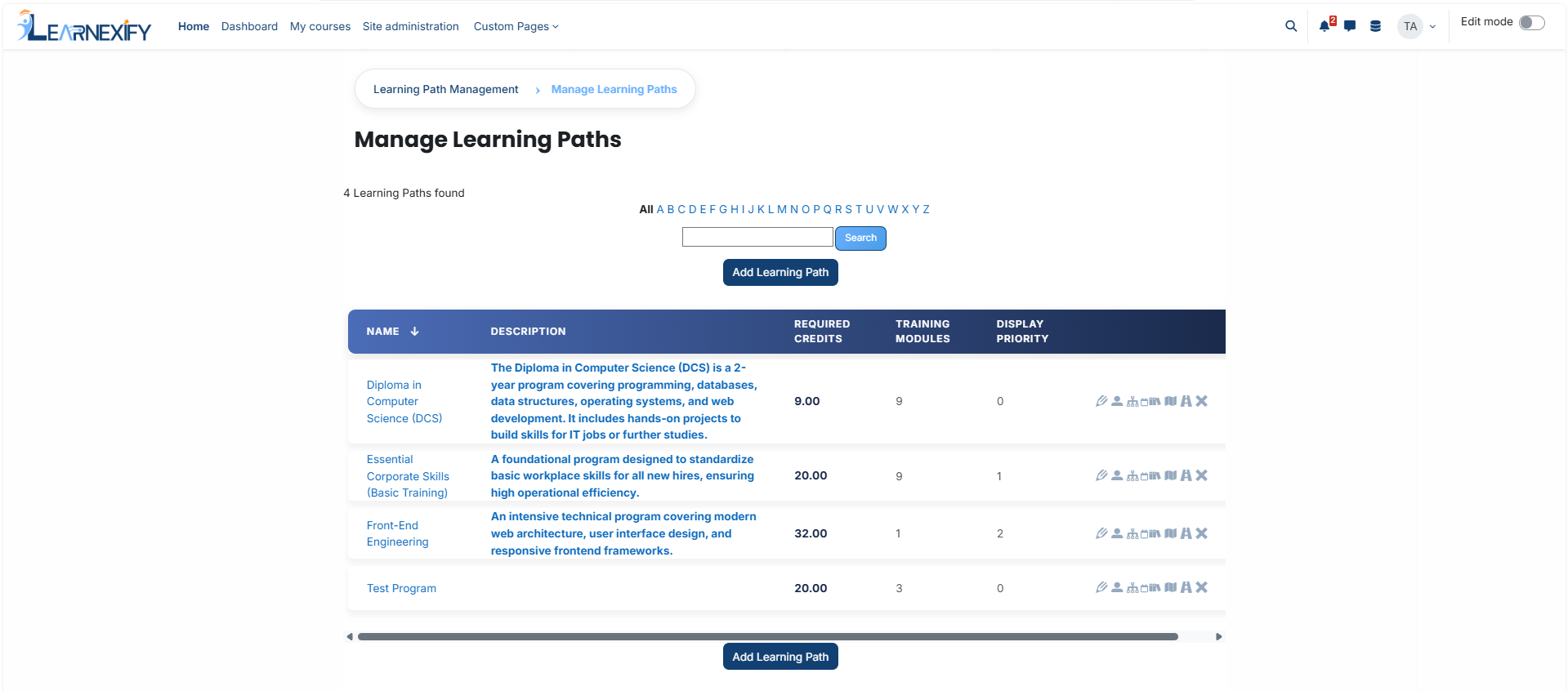
System-Wide / Site LevelThe Corporate Administrator manages the organizational backbone, ensuring institutional compliance and smooth business processes through financial oversight and HR management. This role acts as a primary liaison between stakeholders and external agencies while implementing governance best practices and labor laws. However, the Administrator is strictly removed from the academic side, meaning they do not develop training materials, participate in classroom teaching, or grade trainees. By focusing on administrative infrastructure rather than instructional delivery or individual technical support, this role maintains a distinct strategic boundary from the training faculty.

Branch Head
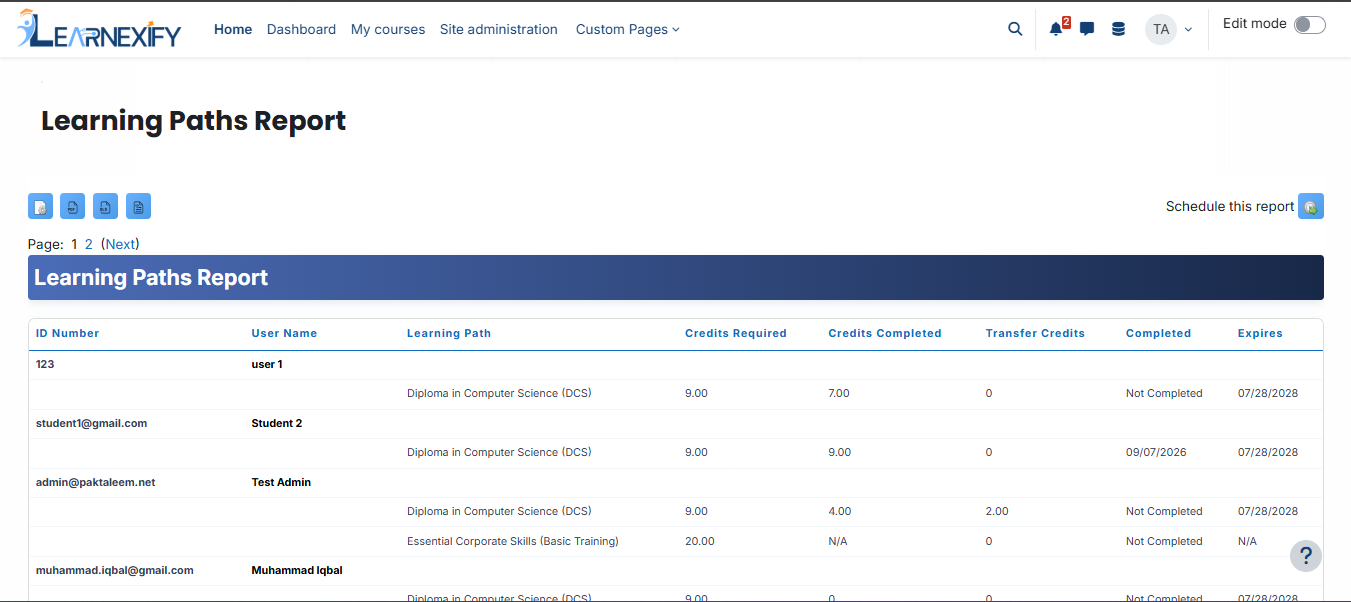
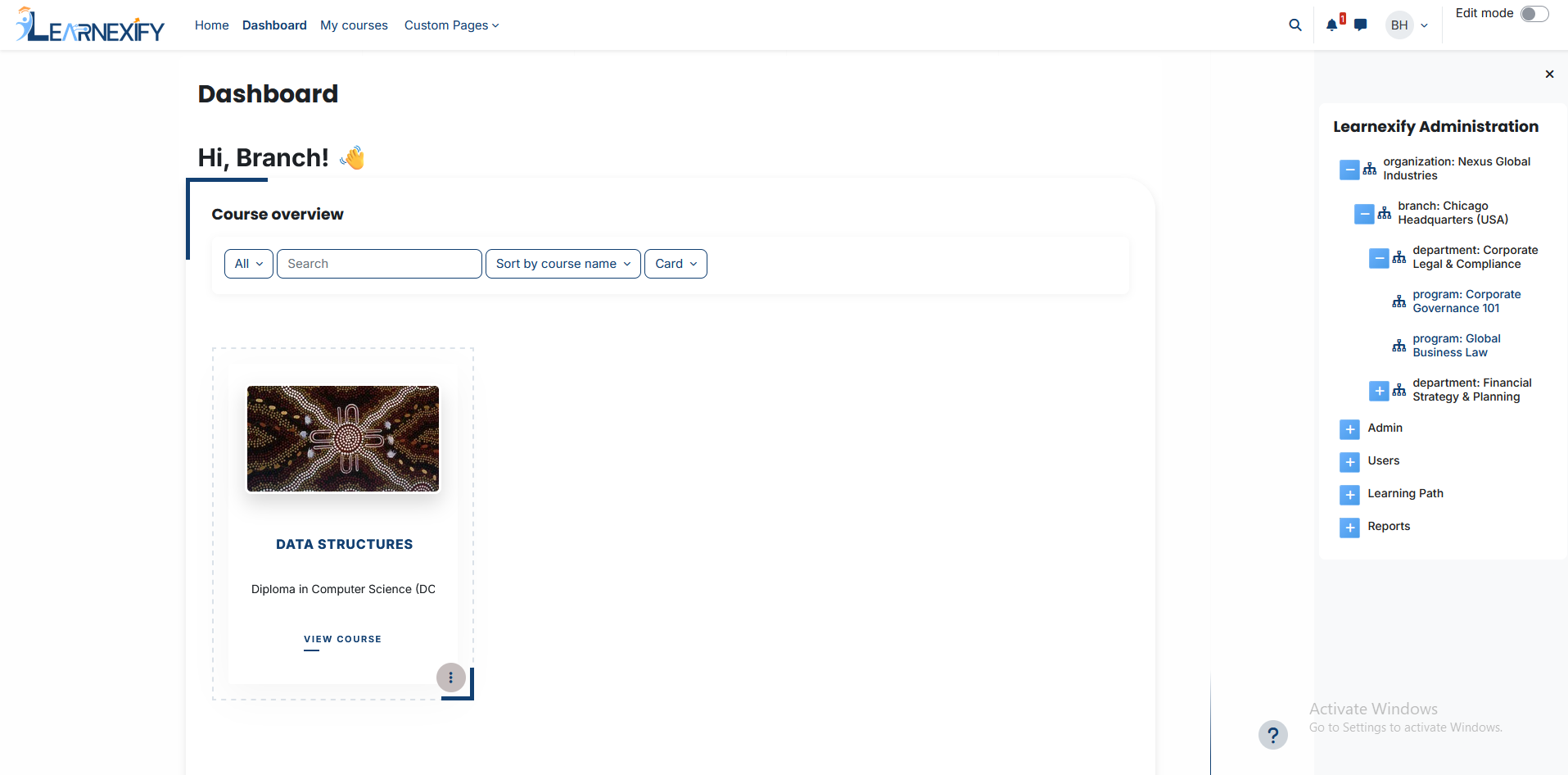
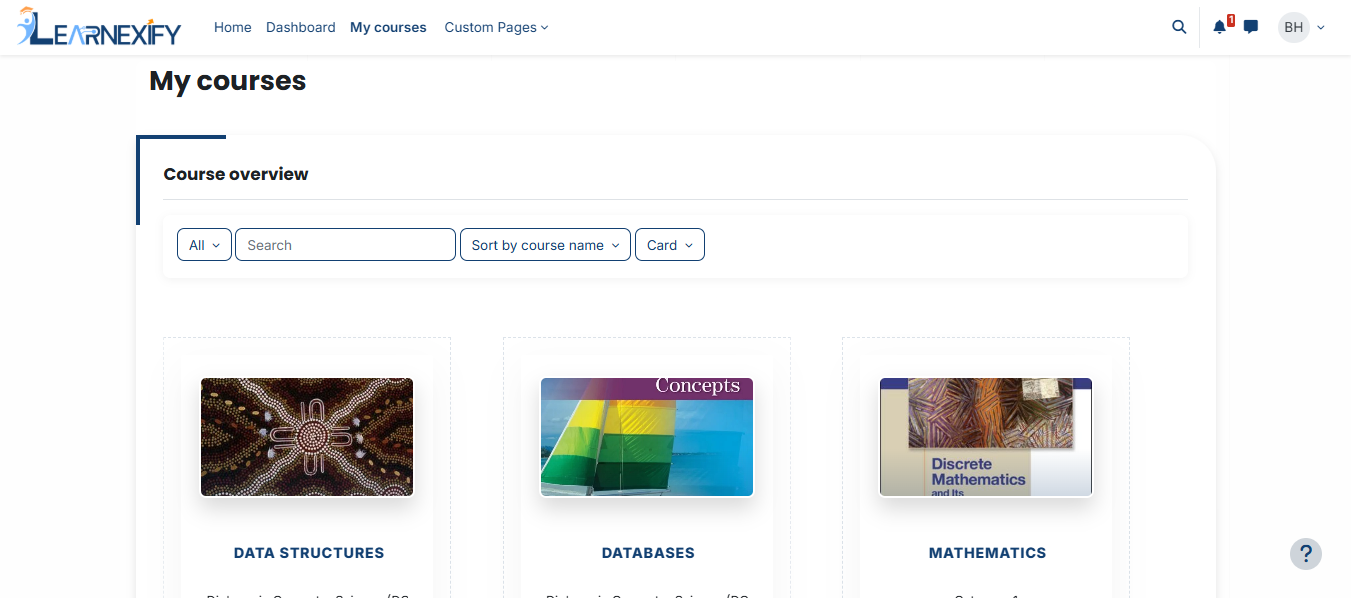
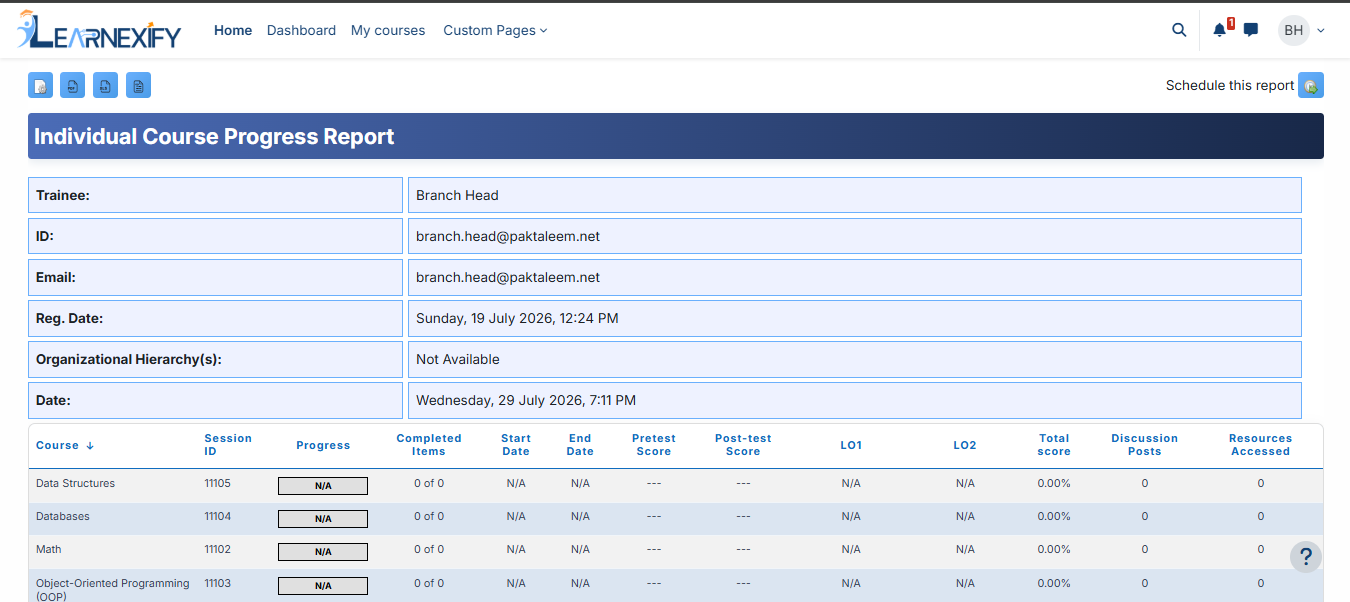
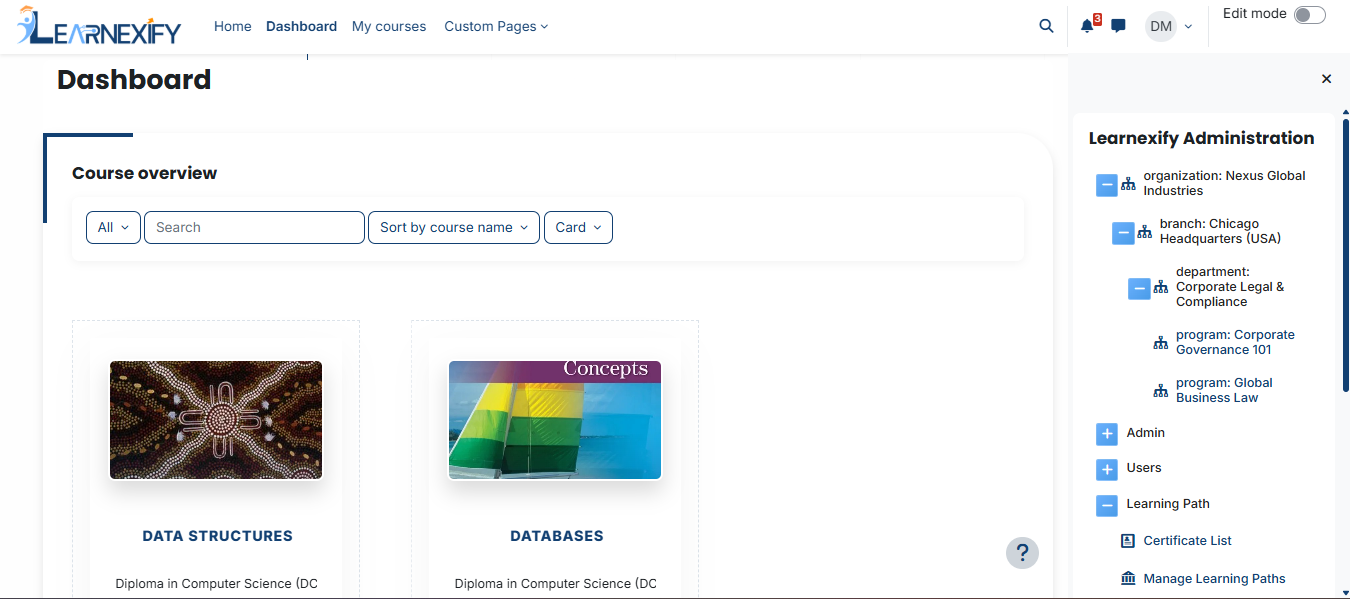
Branch / Org UnitThe Branch Head supervises all operations and departments within a specific organizational unit, ensuring performance and compliance align with branch-level strategic goals. This role utilizes aggregated reports to monitor training progress and manages department managers while providing localized performance summaries for stakeholders. However, their authority is strictly confined to their assigned branch, preventing any access to data or records from other regional units. Unlike site-wide administrators, they cannot modify global configurations or participate in daily instructional tasks like grading or content creation.
Department Manager
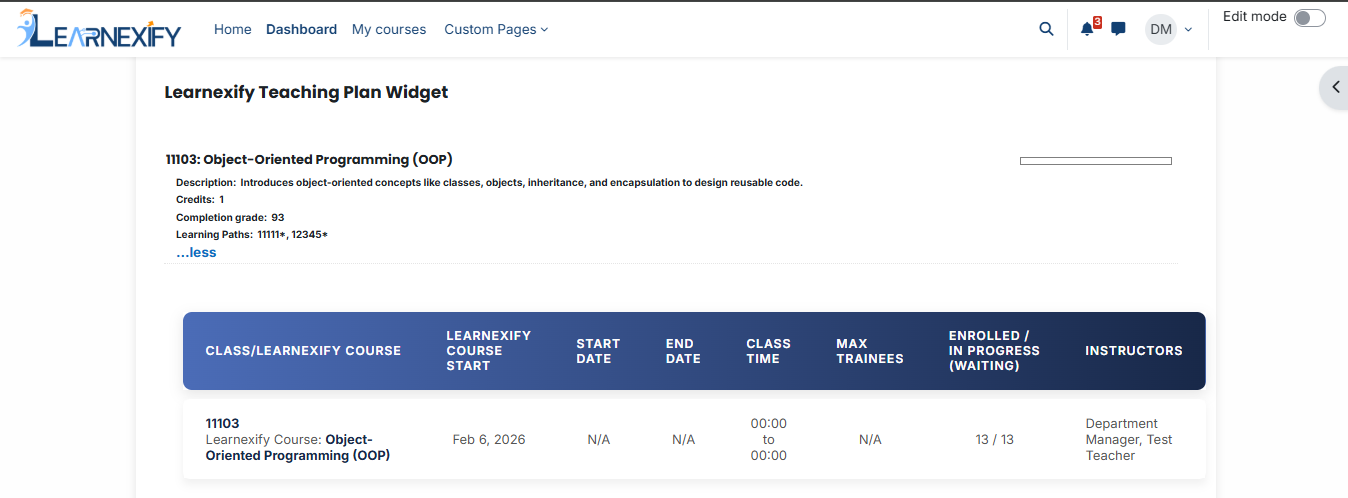
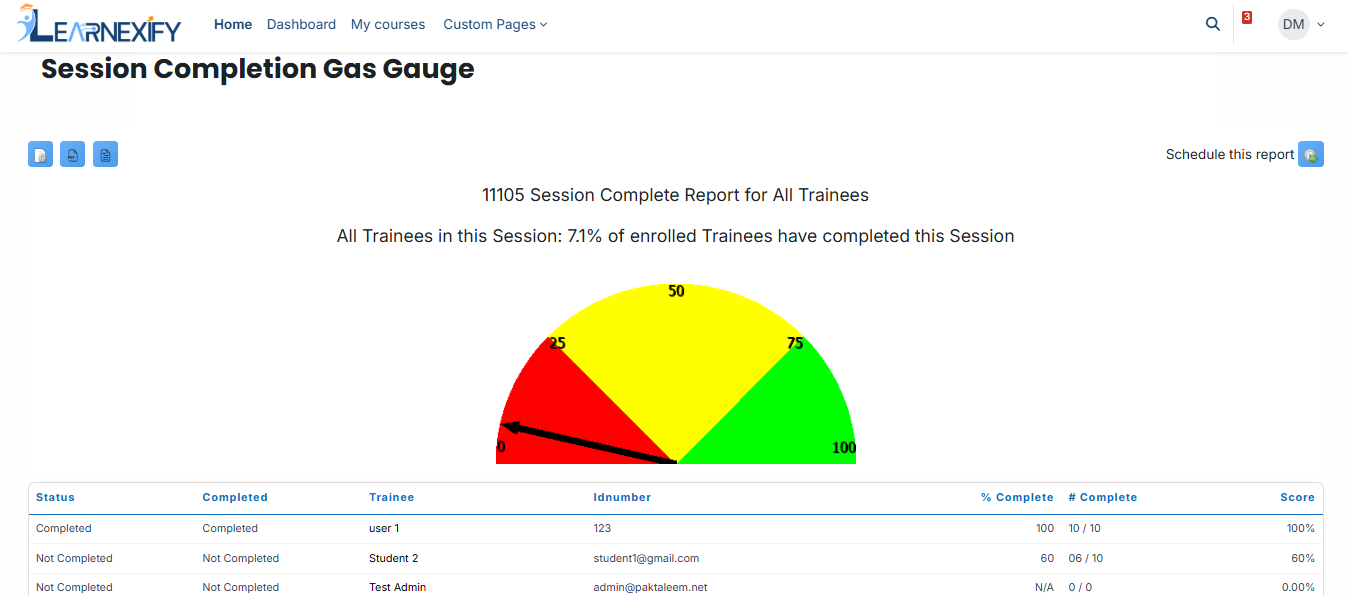
Department / User SetThe Department Manager leads specific functional areas like Sales, IT, or HR, ensuring that teams meet their professional development targets and competency standards. This role monitors employee assessment scores, identifies skill gaps, and manages training schedules through detailed departmental reports. However, their authority is strictly limited to their own department, preventing any access to the data, budgets, or records of other functional units. Unlike senior leadership, they cannot modify global site settings or override mandates issued by the Branch Head. By focusing on departmental performance, this role maintains a clear boundary from site-wide and cross-functional administration.
Team Lead
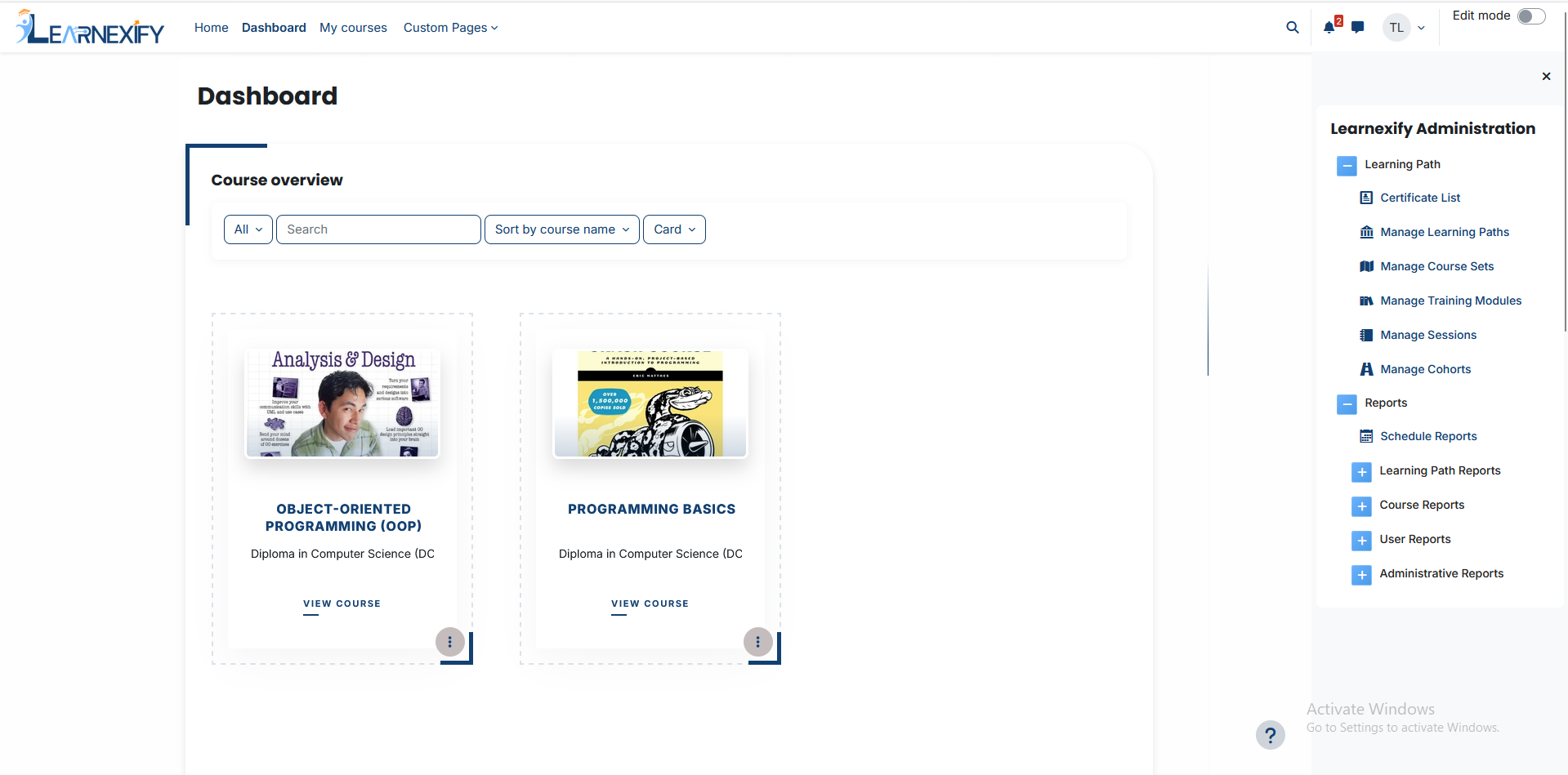
Team / User SetThe Team Leader supervises daily activities and sets performance targets to ensure team objectives are achieved. They decide on task approaches and track member progress through detailed reporting and communication. However, they cannot access data from other teams or modify global site-wide security settings. Restricted from core curriculum development, this role focuses strictly on guiding their specific workgroup toward success.
Instructor / Trainer
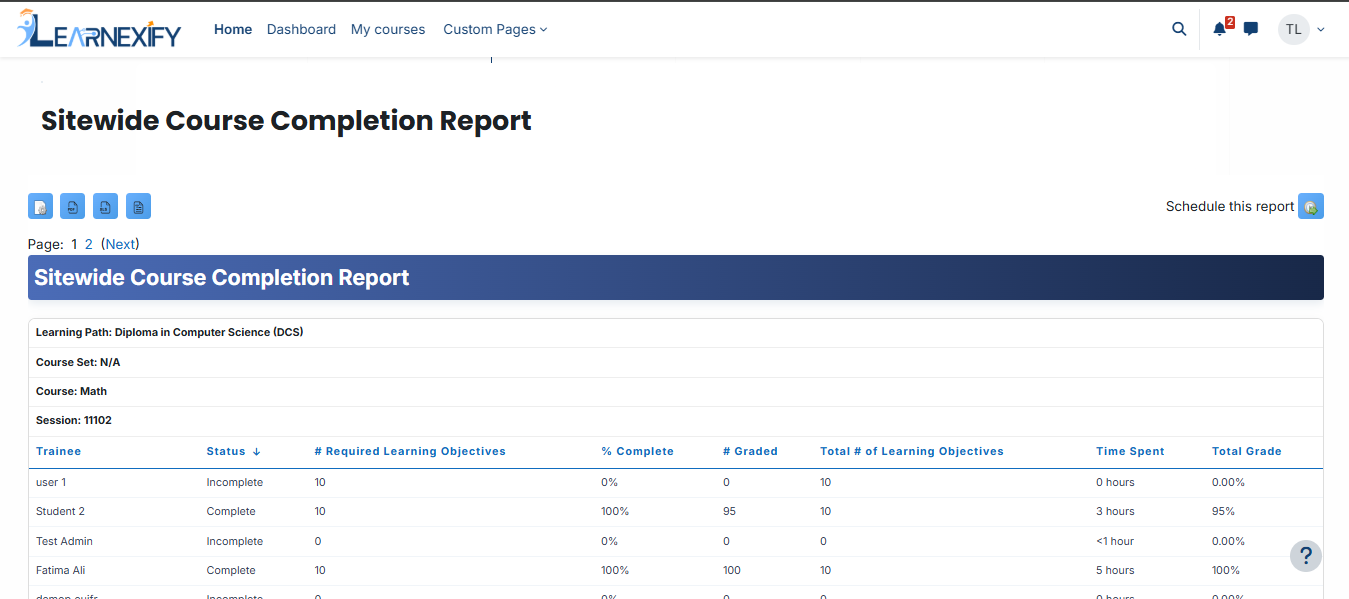
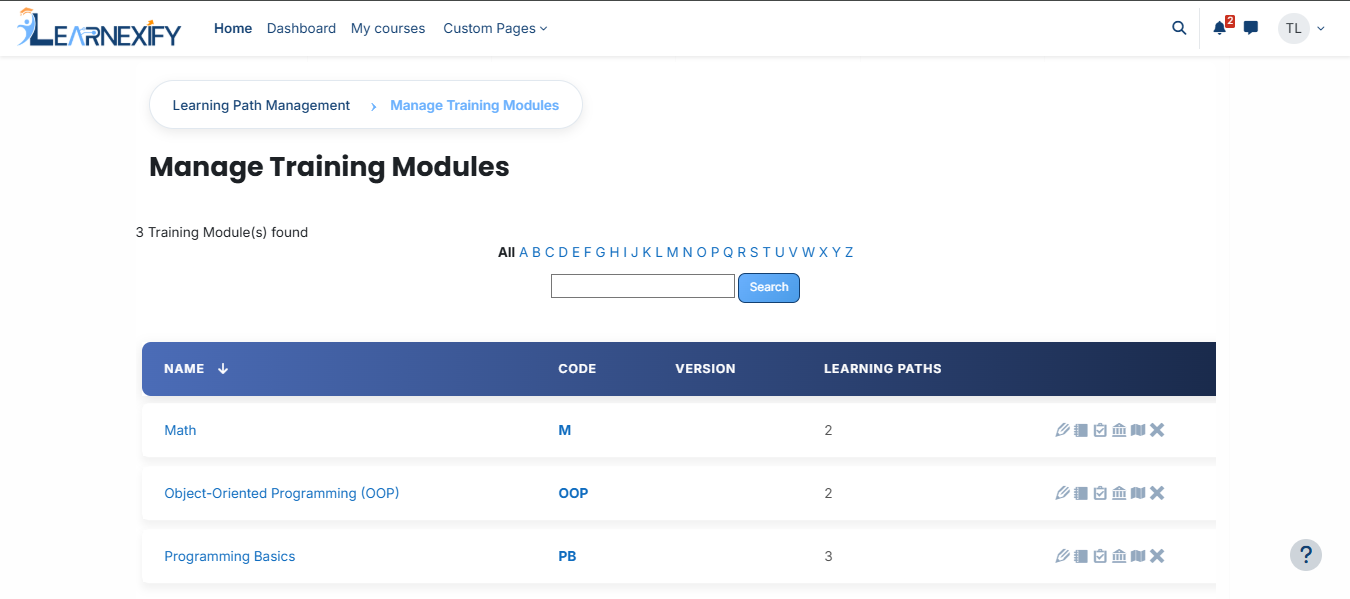
Course / Program InstanceThe Trainer delivers training programs by creating instructional content and managing evaluations through interactive quizzes and assignments. They monitor trainee progress and provide constructive feedback through centralized gradebooks to ensure learning objectives are met. However, they lack authority over global site-wide security or system configurations. Unlike administrators, they are restricted from managing organizational hierarchies or HR personnel records, focusing strictly on instructional delivery.
Employee (Trainee)
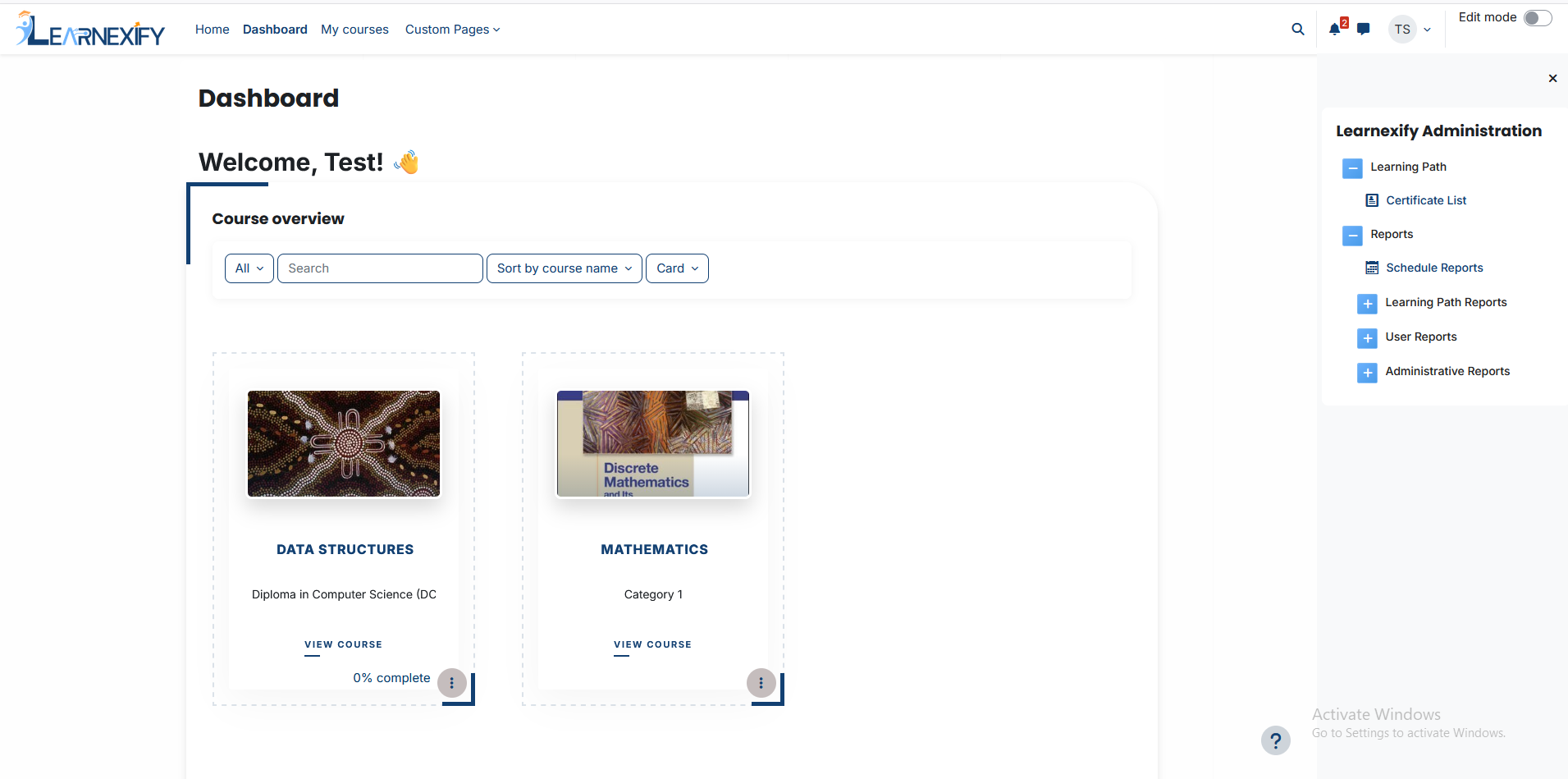
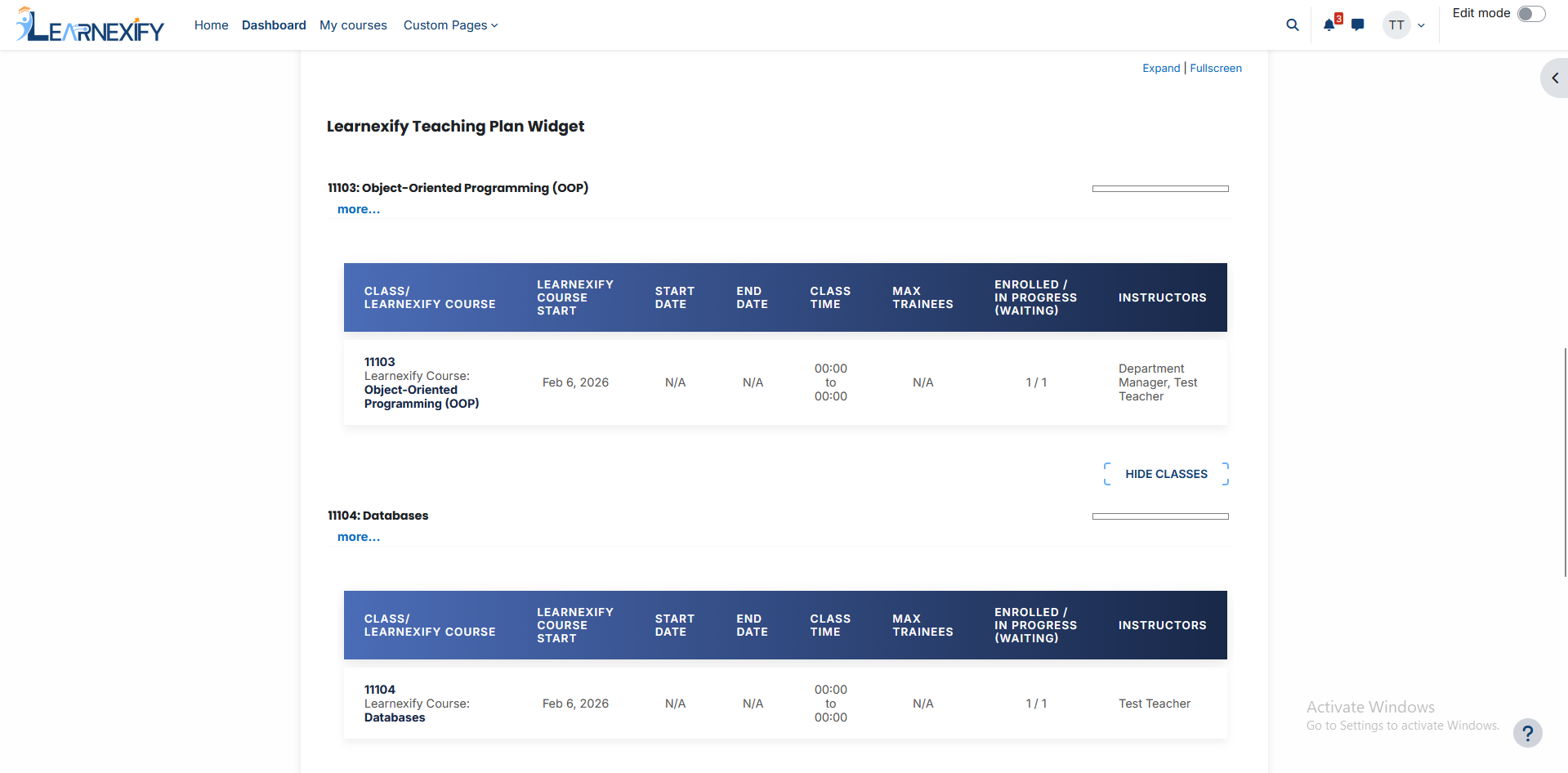
Individual / LearnerThe Trainee role offers a structured path for entry-level professionals to gain industry knowledge by accessing assigned modules, submitting projects, and monitoring personal performance. While they can engage with trainers and track their own progress, they are strictly restricted from editing course content or accessing peer data. Unlike managers, trainees cannot modify site configurations or view private organizational records. This role is focused entirely on individual skill-building and preparing for future career growth.